Atlantic and Pacific Spot LNG Shipping Rates Drop for Second Consecutive Week
Spot liquefied natural gas shipping rates across both the Atlantic and Pacific basins fell for the second consecutive week in mid-November 2026, according to data from Spark Commodities.
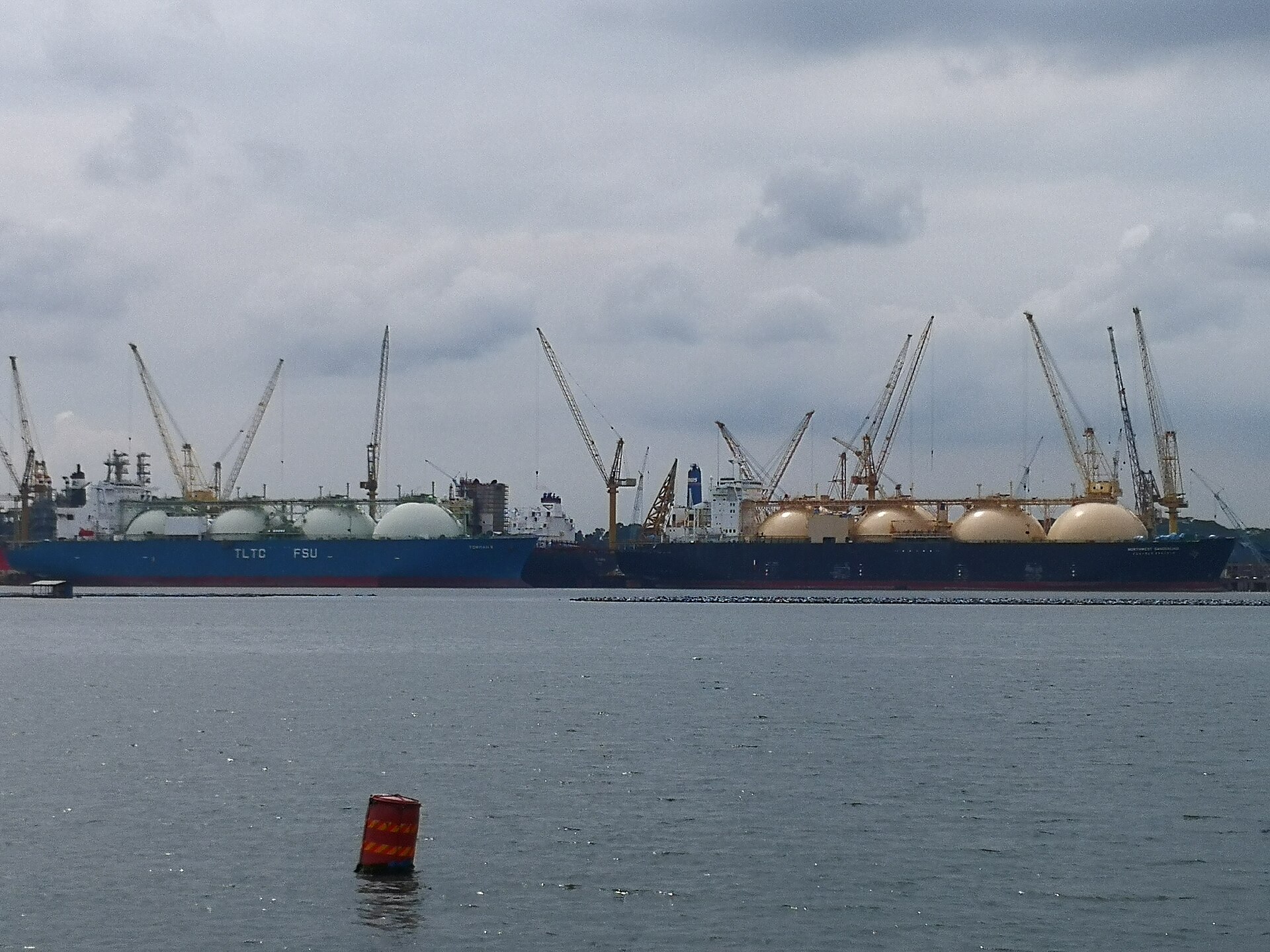
Spot liquefied natural gas (LNG) shipping rates across both the Atlantic and Pacific basins continued their downward trend on November 20, 2026, marking a second consecutive week of declines. According to tracking data reported by Spark Commodities, spot charter rates in both key ocean basins weakened further following a brief period of strength earlier in the month.
Rate Dynamics Across the Atlantic and Pacific Basins
The latest assessment from Spark Commodities confirms that spot charter prices for LNG carriers registered back-to-back weekly losses. This second weekly drop follows an earlier market shift reported around November 13, 2026, when spot rates fell across both basins and broke a three-week streak of consecutive gains recorded through late October and early November.
While specific dollar figures for daily vessel hire were not disclosed in the reported assessment, the downturn reflects softening spot chartering demand. The decline comes despite strong supply performance from major export regions. For instance, data from the U.S. Energy Information Administration (EIA) indicated that U.S. LNG export facilities dispatched 40 shipments during the week ending November 18, 2026—an increase of three cargoes compared to the previous week.
Market Context and Trade Dynamics
The wider LNG market has seen a mix of active long-term contracting and project development alongside fluctuating spot freight rates. Commercial activity remains robust across import markets as buyers secure long-term volumes. In Europe, German importer Securing Energy for Europe (SEFE) recently concluded an eight-year gas supply contract with Canadian producer Tourmaline, while the Czech Republic is finalizing a long-term U.S. LNG purchasing agreement, according to Czech Industry Minister Karel Havlicek.
On the supply side, upstream project developments continue to advance. The government of Mozambique officially approved the amended plan of development for the ExxonMobil-led Rovuma LNG project, paving the way for eventual new export capacity in the Indian Ocean. These commercial arrangements contrast with the immediate, short-term spot chartering market, where rate trajectory is tied directly to prompt vessel availability and regional arbitrage spreads.
Why It Matters
For LNG shipowners, charterers, and market traders, back-to-back drops in Atlantic and Pacific spot rates point to an easing of prompt tonnage tightness. The shift from a three-week rally to two consecutive weeks of decline underscores how quickly spot freight market sentiment can rebalance, even as total export cargo counts—such as U.S. weekly shipments—remain elevated.
Lower spot shipping rates reduce the landed cost of spot LNG cargoes, potentially opening regional price arbitrage windows between the Atlantic basin and demand centers in Asia. However, for vessel operators relying on prompt spot employment rather than multi-year charters, persistent downward pressure on spot rates moderates daily vessel revenues and influences chartering strategies as the winter heating season progresses.
Drafted with AI assistance and reviewed by the Maritime LNG Editorial Desk
Related articles
Carnival Orders Two 130,000 GT Dual-Fuel LNG Cruise Ships from Fincantieri in $2.2 Billion Deal
Carnival Corporation orders two 130,000 GT LNG-powered cruise ships from Fincantieri in a deal worth over €2 billion, scheduled for 2033 and 2035 delivery.

More U.S. LNG Cargoes Divert to Europe in Relief for Tight Market
Discover how recent U.S. LNG vessel diversions toward Europe are easing tight market conditions and pressuring benchmark gas prices.

Purus Linked to New LNG Carrier Order at Samsung Heavy Industries
Samsung Heavy Industries secures a $252M LNG carrier order for delivery by April 2029, with market sources linking the deal to Purus.