Purus Linked to New LNG Carrier Order at Samsung Heavy Industries
Samsung Heavy Industries has secured a contract for a US$252 million LNG carrier scheduled for delivery in 2029, with market sources attributing the order to Purus.
South Korean shipbuilder Samsung Heavy Industries (SHI) has secured a newbuilding contract for a single LNG carrier, valued at approximately US$252 million. According to market sources and shipbroking reports cited by Riviera Maritime Media, the vessel order has been linked to gas platform operator Purus, although official confirmation from the company remains pending.
Delivery Timeline and Order Specifications
The newly ordered LNG carrier is scheduled for delivery by April 2029. SHI officially announced the contract on 20 March, identifying the contracting party merely as an undisclosed owner based in Oceania.
While corporate channels have not formally verified the buyer's identity, the transaction aligns with broader trends of specialized vessel operators expanding their footprint in liquefied gas transportation. The agreed contract price of just over US$252 million reflects prevailing market valuations for modern dual-fuel LNG carriers constructed at major South Korean shipyards.
Strategic Focus on High-Value Tonnage
The contract underlines SHI’s strategic operational focus for the current fiscal year. Korean media reports indicate that the shipbuilder intends to continue prioritizing higher value-added vessel categories, specifically LNG carriers and container ships, to maximize yard berth efficiency and safeguard profit margins.
By focusing on technologically complex tonnage, South Korean shipbuilders aim to maintain their commercial strength against growing global competition. Modern LNG carriers require advanced cryogenic containment systems, high-efficiency boil-off gas management solutions, and low-emission dual-fuel propulsion plants, making them core revenue drivers for major shipyards.
Fleet Expansion in a Tight Yard Market
Securing a delivery slot for April 2029 highlights the continuing tightness in global shipbuilding capacity for gas carriers. With premier South Korean shipyards largely booked several years in advance, charterers and shipowners seeking long-term exposure to the LNG supply chain are committing capital well ahead of project start-ups.
As global LNG trade expands with new liquefaction capacity coming online in North America and the Middle East, high-specification newbuilds will play a critical role in meeting international maritime emissions standards and supporting long-term energy security.
Drafted with AI assistance and reviewed by the Maritime LNG Editorial Desk
Related articles
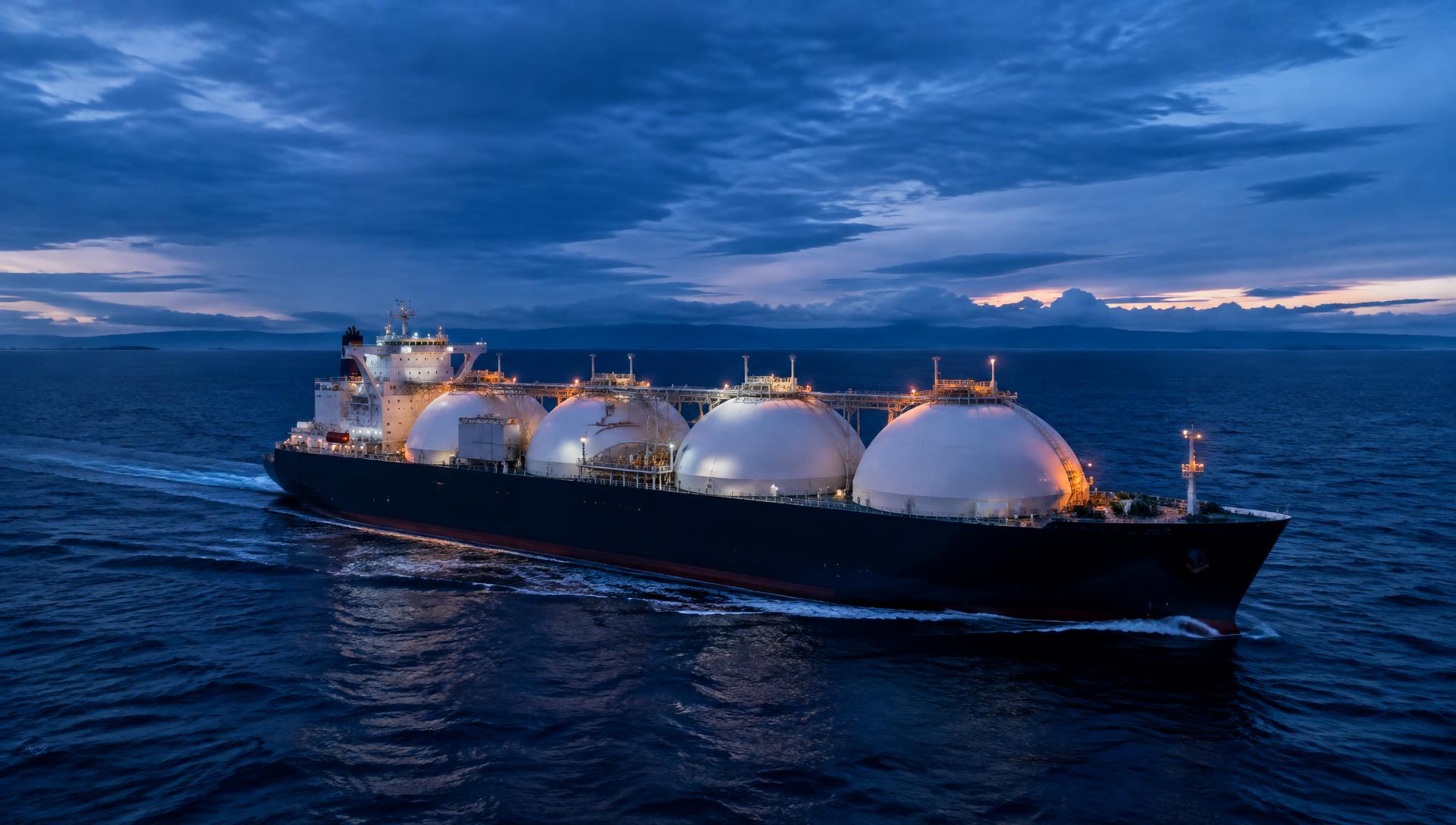
LNG Shipping: Complete Industry Guide
A practical guide to LNG shipping for owners, operators and technical managers: carrier types, the cargo cycle from gas-up to warm-up, chartering structures, crewing and regulation.
What fleet renewal could mean for steam-turbine LNG carriers
An illustrative look at the commercial questions facing owners of older tonnage. Demonstration content only.
Understanding common LNG charter contract structures
Illustrative overview of time charters, voyage charters and their typical clauses. Demonstration content only.