South Korea Asks Qatar to Prioritize LNG Supplies Once Production and Hormuz Shipping Normalize
South Korea has asked Qatar to prioritize LNG supplies once production and Strait of Hormuz shipping normalize, amid disruptions to Qatari exports.
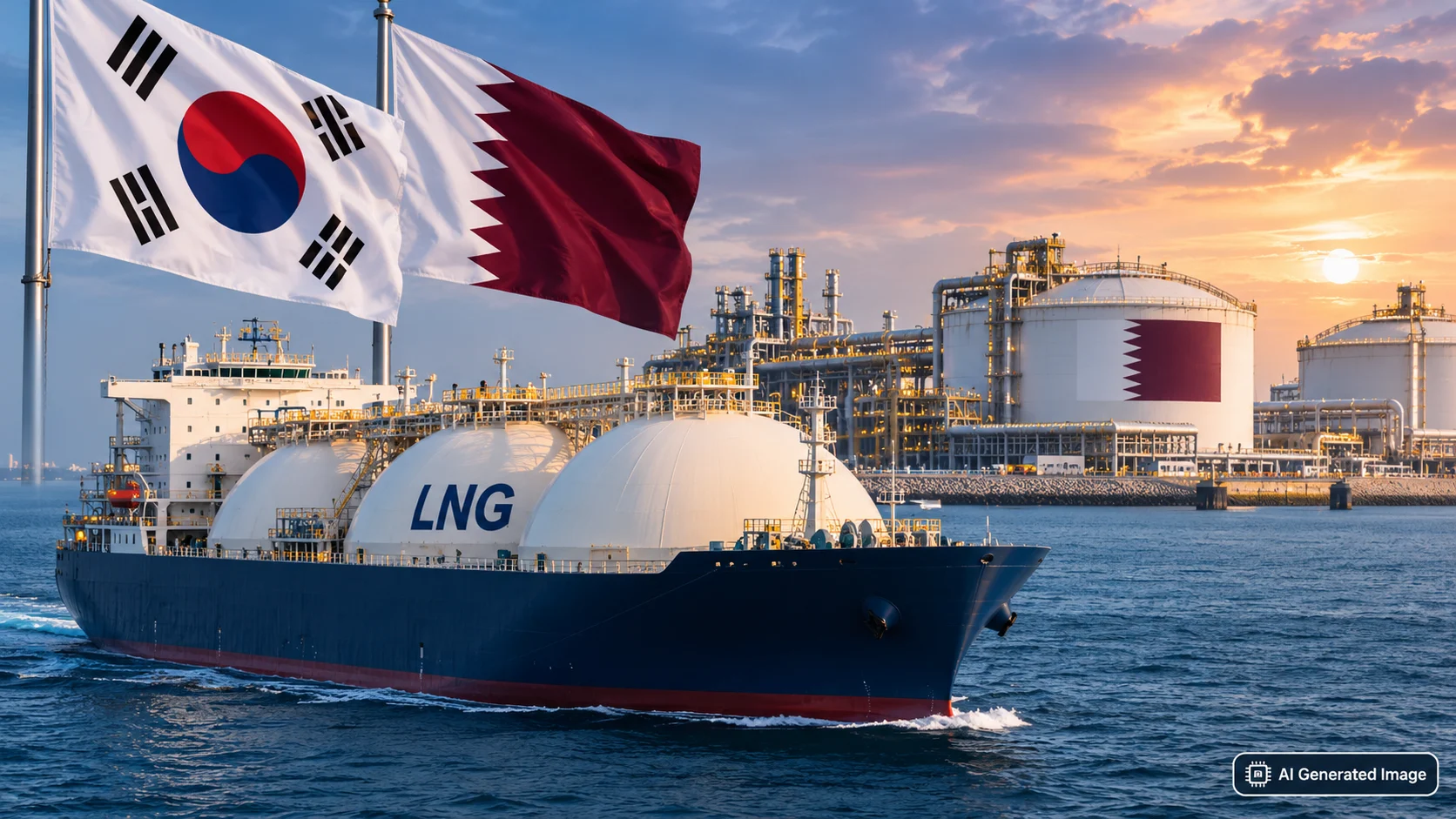
The request was made by South Korean Industry Minister Kim Jung-kwan during a meeting with Qatar's Minister of State for Energy Affairs, Saad Sherida al-Kaabi, in Seoul on November 23, 2026, according to Yonhap News Agency, citing South Korea's Ministry of Trade, Industry and Resources.
South Korea seeks priority access to future LNG supplies
During the meeting, Kim emphasized Qatar's importance as a strategic LNG partner for South Korea and underlined the need for continued cooperation to maintain stable energy supplies.
He specifically requested that Qatar give South Korea priority consideration for LNG deliveries once Qatari production and navigation through the Strait of Hormuz return to normal.
The request reflects Seoul's interest in securing access to future Qatari cargoes as export operations recover. However, the publicly reported meeting does not establish that Qatar has accepted the request or agreed to any specific allocation, delivery schedule or commercial terms.
Disruption to Qatar's LNG export operations
Qatar's LNG supply position has been affected by damage to its Ras Laffan facility, the country's principal LNG export hub.
According to Yonhap, Qatar declared force majeure and suspended LNG supplies in March 2026 after missile attacks damaged the facility.
The disruption has affected an important component of the international LNG supply chain. Before the outbreak of the US-Iran war in late February 2026, Qatar had been the world's second-largest LNG exporter, behind the United States, according to the information reported by Yonhap.
The recovery of LNG production and the normalization of maritime navigation through the Strait of Hormuz are therefore central conditions in South Korea's request.
For LNG shipping, the distinction is important: restoring production capacity alone does not necessarily guarantee that cargoes can be loaded, transported and delivered under normal operating conditions.
South Korea's LNG trade relationship with Qatar
The importance of Qatar to South Korea's energy supply is reflected in the latest import figures cited by Yonhap.
South Korea imported approximately:
- 1.7 million metric tonnes of Qatari LNG between January and September 2026.
- Nearly 7 million tonnes of Qatari LNG during 2025.
These figures demonstrate the importance of the bilateral LNG trade relationship and the potential consequences of prolonged supply disruptions.
South Korea's request for priority treatment is therefore relevant to its efforts to secure future cargo availability as Qatari export operations recover.
Nevertheless, the published figures do not establish how much additional LNG South Korea could receive under any future priority arrangement.
Broader cooperation in energy infrastructure and shipbuilding
The discussions in Seoul also covered opportunities to expand bilateral cooperation in energy-related infrastructure and shipbuilding.
Kim Jung-kwan requested Qatari support for South Korean companies seeking to participate in future projects in Qatar.
According to Yonhap:
- South Korean engineering companies secured approximately US$11 billion in plant-building projects in Qatar over the five years through 2025.
- South Korean shipbuilders won orders to build 98 vessels for Qatar between 2022 and 2024.
These figures illustrate the wider industrial relationship between the two countries, extending beyond LNG procurement to engineering, energy infrastructure and maritime construction.
The discussions could provide a basis for further commercial cooperation, although no specific new shipbuilding or infrastructure contracts were announced in the reported meeting.
Implications for the LNG shipping industry
The developments are relevant to LNG market participants because Qatar's export recovery depends on more than the restoration of production.
Normal cargo flows also require reliable maritime access, operational export infrastructure and the ability to move LNG carriers through the relevant shipping routes.
For shipowners, charterers, terminal operators and LNG buyers, the timing of a return to normal operations will be an important factor in planning future cargo movements.
South Korea's request also illustrates how major LNG-importing countries may seek to secure favorable access to available supplies when export operations resume.
However, the reported meeting provides no confirmed information about vessel deployment, loading schedules, cargo nominations or the volume of LNG that could eventually be allocated to South Korea.
These details will be important in determining the practical consequences of any future supply arrangement.
What happens next?
The next important developments will be the restoration of Qatari LNG production, the normalization of navigation through the Strait of Hormuz and any official confirmation of future supply arrangements between Qatar and South Korea.
South Korea and Qatar have also indicated their intention to continue high-level consultations to advance bilateral cooperation in energy, infrastructure and shipbuilding.
For now, the reported priority-supply request should be understood as a diplomatic and commercial effort to strengthen South Korea's position in future LNG deliveries, rather than a confirmed new supply agreement.
The actual impact on international LNG cargo flows will depend on how quickly export operations and maritime movements can return to normal.
Sources and Further Reading
-
Yonhap News Agency — S. Korea asks Qatar to prioritize LNG supplies once production, shipping normalize. https://en.yna.co.kr/view/AEN20261123002700320
-
Seoul Economic Daily — Korea Asks Qatar for Priority LNG Supply Once Shipments Resume. https://en.sedaily.com/economy/2026/11/23/korea-asks-qatar-for-priority-lng-supply-once-shipments
Editorial note: This article is based primarily on the original Yonhap report. Additional context was taken from the English edition of Seoul Economic Daily, which identifies its article as AI-translated from Korean. Figures and statements are attributed to the reporting sources. No unconfirmed supply agreement, cargo allocation or operational restart date is presented as fact.
Related news
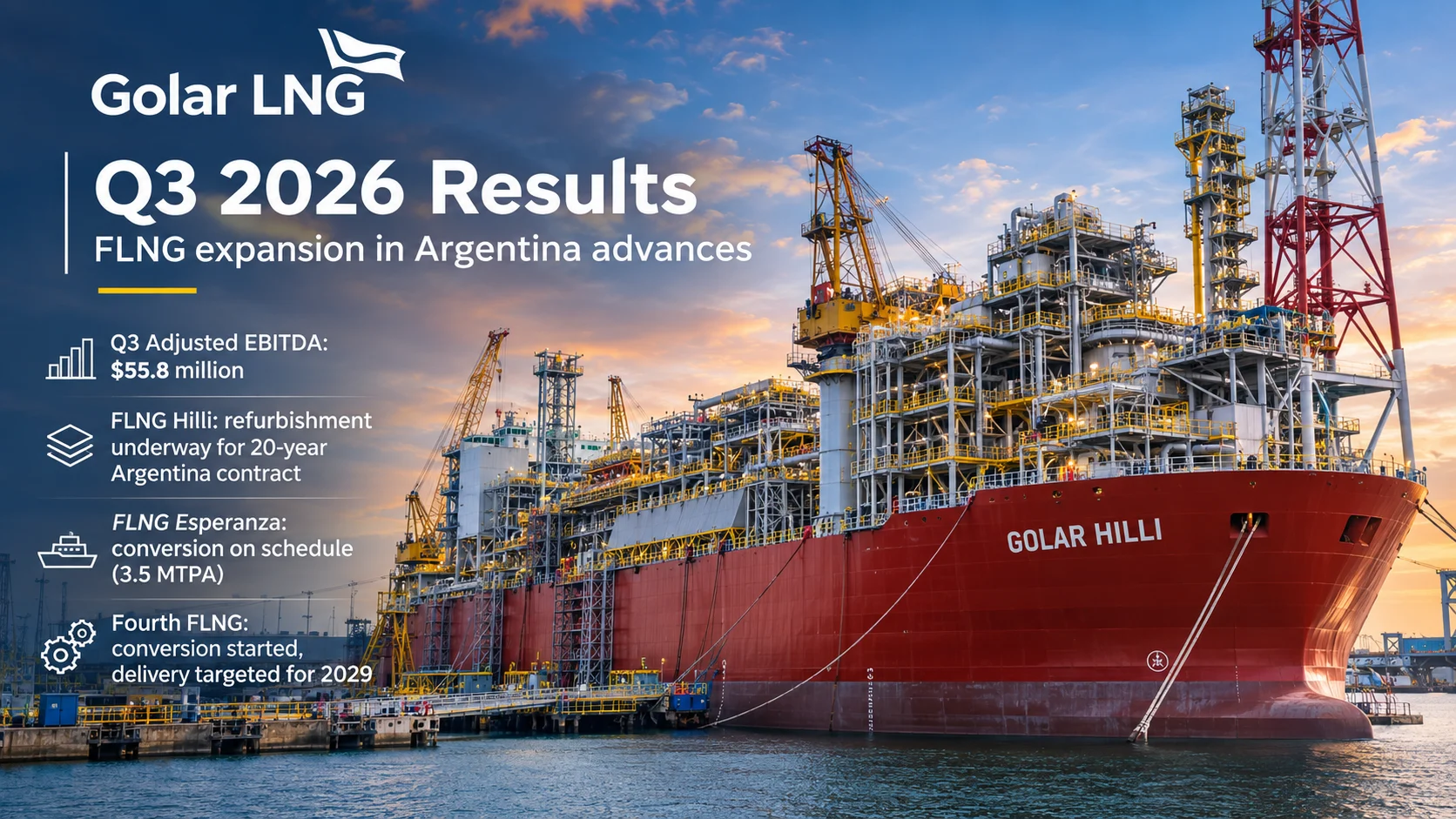
Golar LNG Reports Lower Q3 Earnings as FLNG Expansion in Argentina Advances
Golar LNG reports Q3 2026 results, advances FLNG Hilli and Esperanza projects in Argentina, and progresses its fourth FLNG conversion.
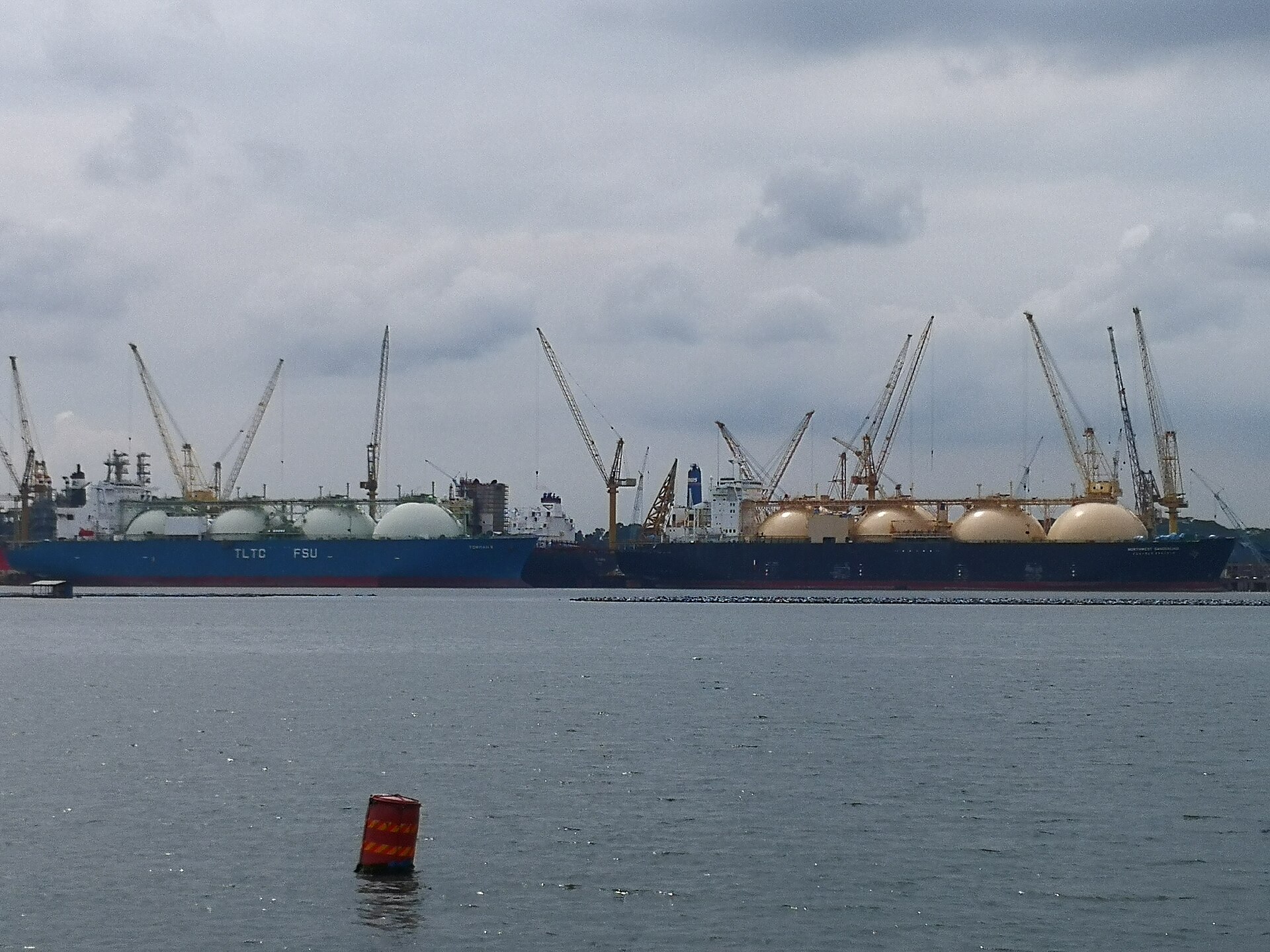
Atlantic and Pacific Spot LNG Shipping Rates Drop for Second Consecutive Week
Spot LNG shipping rates in the Atlantic and Pacific basins fell for a second week in mid-November 2026, according to Spark Commodities.
Carnival Orders Two 130,000 GT Dual-Fuel LNG Cruise Ships from Fincantieri in $2.2 Billion Deal
Carnival Corporation orders two 130,000 GT LNG-powered cruise ships from Fincantieri in a deal worth over €2 billion, scheduled for 2033 and 2035 delivery.