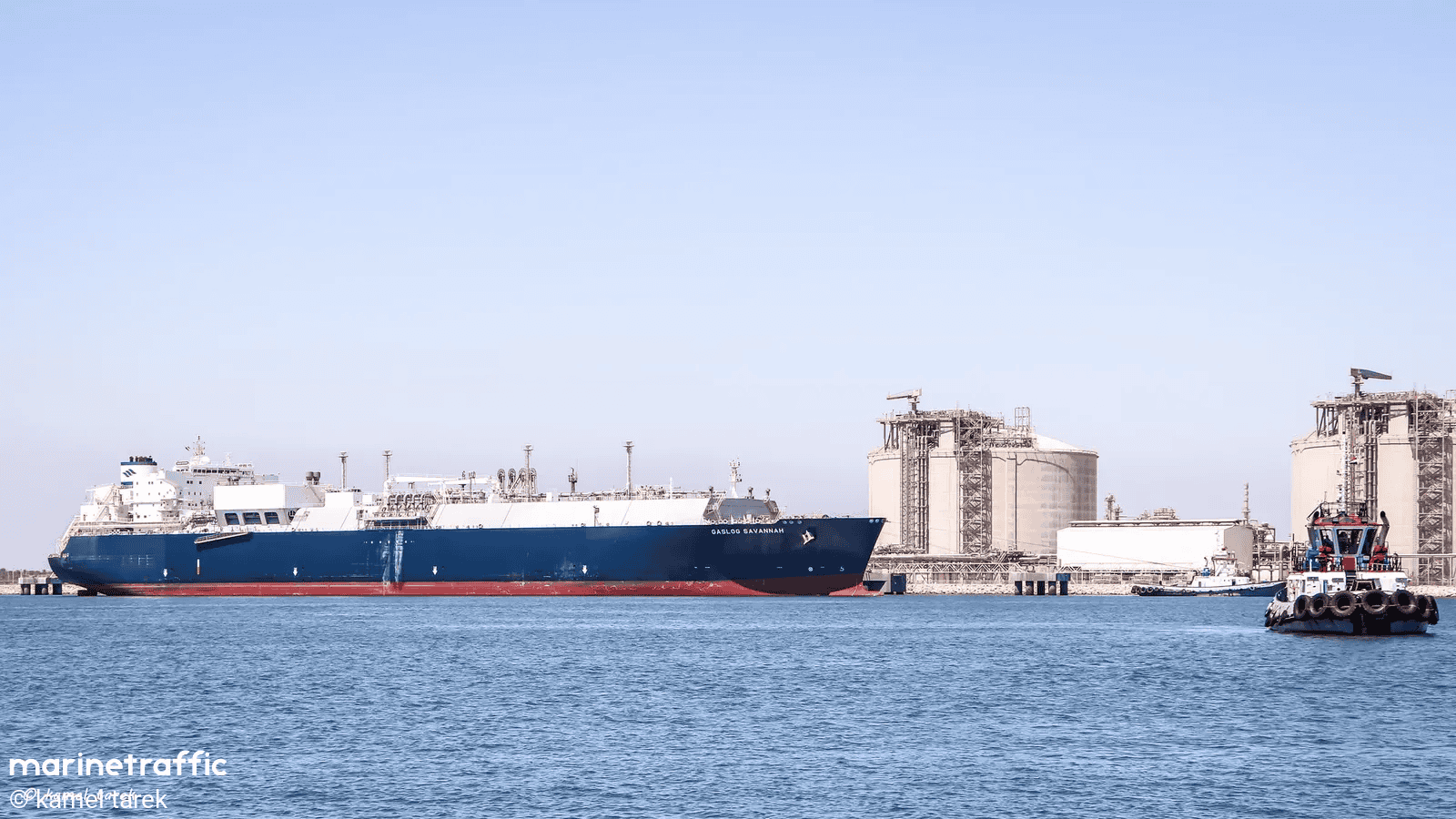
Ukraine LNG import has taken a significant leap forward as DTEK, the nation’s largest private energy company, received its first liquefied natural gas (LNG) cargo from the United States. This milestone marks a crucial step in bolstering Ukraine’s energy independence and reducing reliance on Russian gas. The shipment, carrying approximately 100 million cubic meters of gas, arrived at the Revithoussa LNG terminal in Greece on Friday.
D.TRADING, DTEK’s pan-European trading subsidiary, secured the entire cargo, which will be regasified and distributed throughout the European Union and Ukrainian gas networks. This strategic move comes as Ukraine prepares to terminate an agreement for transporting Russian gas to the European Union through its territory, further solidifying the nation’s commitment to energy security.
DTEK CEO Maxim Timchenko underscored the importance of this Ukraine LNG import for both Ukraine and Europe’s energy security, stating, “Cargoes like this are not only providing the region with a flexible and secure source of power, but are further eroding Russia’s influence over our energy system.” He also expressed gratitude for the United States’ strategic contribution to Europe’s energy security through such shipments.
Due to the ongoing conflict, D.TRADING opted to receive the LNG cargo in Greece and utilize regasification terminals and cross-border pipelines for distribution. This approach highlights the adaptability and resilience of Ukraine’s energy strategy in the face of challenges. The company plans to increase Ukraine LNG imports from the US and expand its operations in Northern Europe and the Baltics, further diversifying its energy sources.
This development underscores the growing role of LNG in the global energy landscape and highlights the efforts of Ukraine and its partners to diversify gas supplies and enhance energy security. The successful Ukraine LNG import signifies a new era in the country’s energy journey, paving the way for a more secure and independent future.
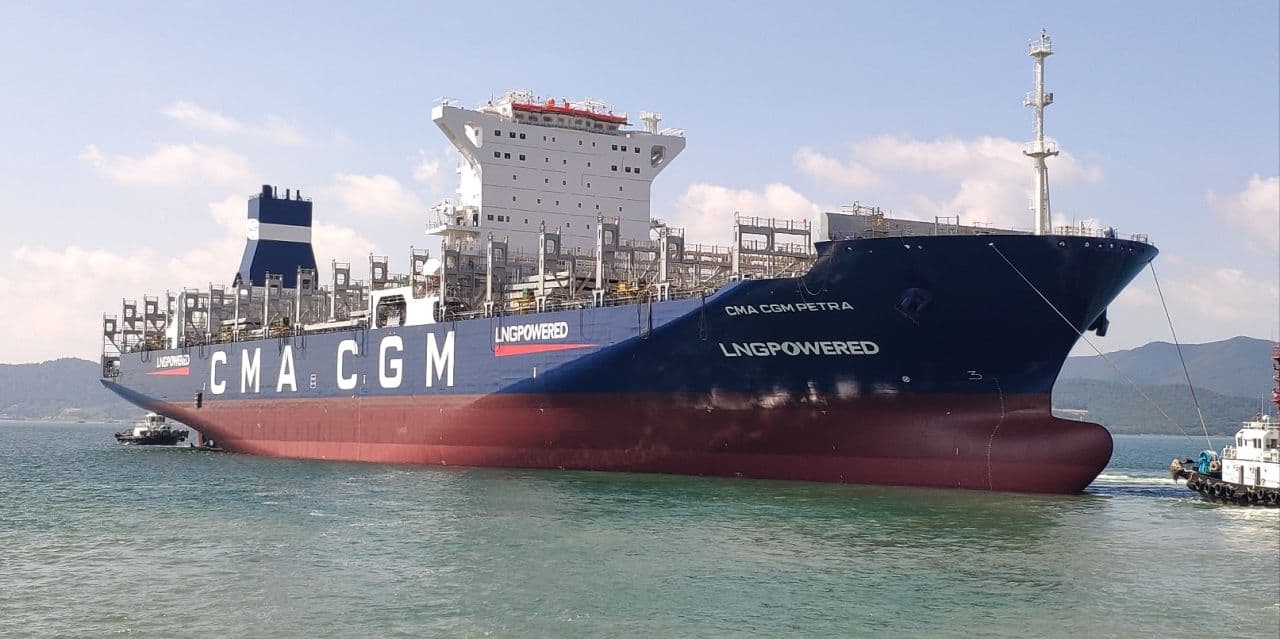
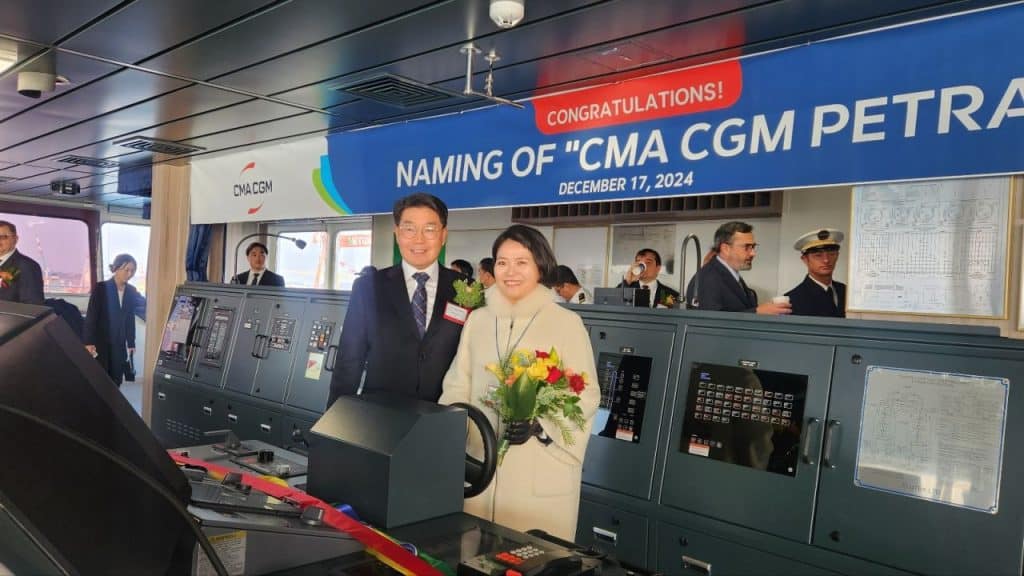
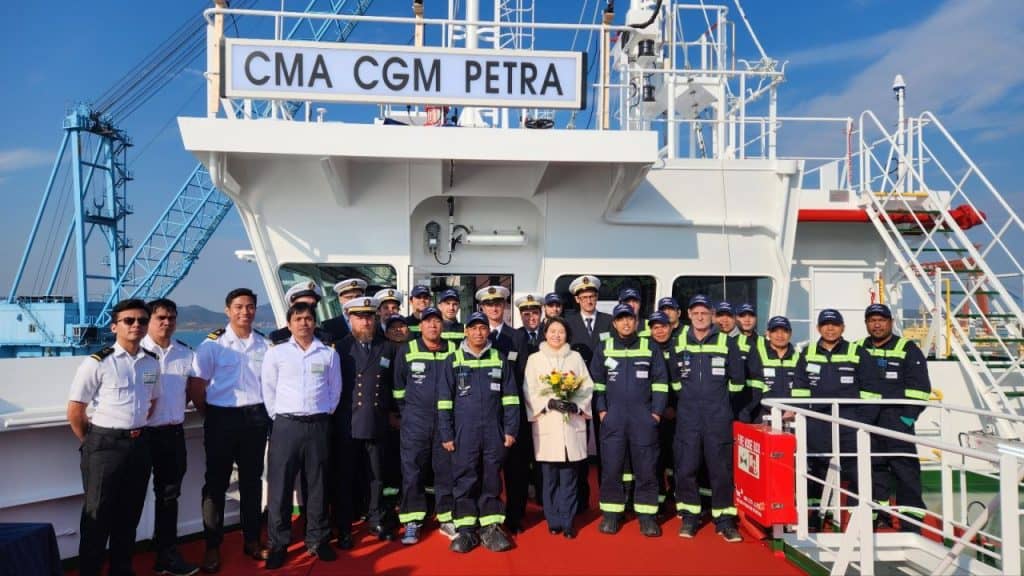
In a significant move for the global shipping industry, CMA CGM has announced the commencement of the CMA CGM Petra’s maiden voyage. The vessel, a massive 8,000 TEU container ship, is the first of six sister ships slated to join the French shipping giant’s fleet, further solidifying its presence on the crucial Asia-Central South America trade route.
The CMA CGM Petra is powered by Liquefied Natural Gas (LNG), marking a continued push by CMA CGM towards more sustainable shipping practices. The adoption of LNG as a fuel source is seen as a key step in reducing greenhouse gas emissions and other pollutants compared to traditional heavy fuel oil. This latest addition underscores a growing trend in the maritime industry to explore and implement cleaner fuel alternatives.
The vessel will be deployed on the Asia-Central South America 1 (ACSA 1) service, a critical link connecting Eastbound and Westbound trade lanes. Industry analysts suggest that the addition of the CMA CGM Petra and her sister ships will enhance capacity and potentially improve efficiency on this vital route.
“The deployment of the CMA CGM Petra on the ACSA 1 service represents a strategic investment by CMA CGM,” stated [Name of industry expert], a maritime industry analyst at [Name of firm]. “The increased capacity and use of LNG fuel could offer both economic and environmental benefits, depending on market fluctuations and operational efficiency.”
While CMA CGM touts the environmental advantages of its growing LNG fleet, the move also comes amidst increasing pressure on the shipping industry to address its carbon footprint. International regulations and growing consumer awareness of environmental issues are pushing companies towards greener practices.
The CMA CGM Petra’s maiden voyage is a noteworthy event, showcasing the evolving landscape of the global shipping industry. It remains to be seen how the introduction of these new vessels will impact trade dynamics on the Asia-South America route and how CMA CGM’s continued investment in LNG will influence broader industry trends in the long term. The launch also represents a development in the ongoing transition to lower-emissions in international shipping, but with questions remaining about the full lifecycle emissions of LNG compared to other fuel alternatives, and the wider infrastructure needed to support this transition.
The remaining five sister ships are expected to be delivered and deployed in the coming months. The industry will be watching closely to assess their impact on both CMA CGM’s operations and the broader maritime landscape.
Rising natural gas prices and increasing uncertainty are set to dominate Europe’s energy outlook for the coming winter.
Europe’s benchmark natural gas prices are on the rise, marking uncertainty about sufficient supplies and increased demand as Europe is approaching the third winter since Russia invaded Ukraine.
However, the necessary natural gas reserves appear to be supplied and secured at the moment.
Dr. Yousef Alshammari, President of the London College of Energy Economics, told Euronews Business: “Uncertainty oversupply continues to dominate the markets despite the availability of sufficient gas reserves.”
He added that the EU gas storage capacity stood at 90% in August, way before its deadline, and “today, gas storage stands at 95% full, well above 100 bcm [billion cubic metres]”.
However, increased demand for heating and electricity due to lower temperatures has already tested capacities in the first weeks of November.
Higher demand on the cards
Recent low temperatures increased gas storage withdrawals in Europe in the first two weeks in November, tapping close to 4% (4.29 bcm) of Europe’s full gas storage capacity, according to data from Gas Infrastructure Europe.
Alshammari expects that storage levels will not be as high by Spring 2025 as they were at the end of the previous winter, in April 2024, when they stood at 60% of capacity. “It looks like this winter they could go well below 50% which means that Europe will need to buy much more gas this next year to restore gas storage at nearly full levels. This combined with relatively colder weather is likely to keep prices reasonably at higher levels compared to their levels throughout the previous winter, which was relatively milder.”
Risks affecting European energy prices
Geopolitical tensions, driven by the US and Russia, are a leading risk factor for energy prices on the continent. “Although I anticipate that this tension is likely to de-escalate under president-elect Trump, it looks like the remaining days for the current US administration are making the situation more complex, which will add to the energy prices volatility concerning both oil and gas,” said Alshammari.
Natural gas prices were at their highest level in one year in the Thursday trade. The uncertainty in Europe grew further as Russia’s Gazprom stopped the flow of natural gas to Austria on 16 November, due to a dispute between the countries.
Meanwhile, a major contract permitting the transit of Russian gas through Ukraine is about to end on 1 January 2025, risking that half of Russia’s remaining pipeline gas exports to the EU would be removed from the energy mix at the peak of demand.
“Any further disruption in Russian gas to Europe is likely to make the situation more difficult for European nations relying on these supplies meaning that EU storage will be under pressure,” said Alshammari, adding that he expects prices to continue to escalate in the weeks ahead should there be further supply disruptions or more uncertainty.
A lack of Russian pipeline gas supply “could trigger a return to coal, and oil to power generation mix, (…) which could have a wider impact on energy markets,” said the President of the London College of Energy Economics.
Shrinking Russian gas imports coupled with increased energy demand would trigger further LNG imports to Europe, which could also push energy prices up in Europe overall.
“Long-term I think nuclear should be on the mix within Europe, perhaps through energy trading among EU countries of nuclear power which may potentially reduce dependence on foreign imports of LNG,” said Alshammari.
How much can renewable energy shoulder of Europe’s demand?
Looking at trends across the year, gas demand is falling. It was 350 bcm in 2022 and it shrank to 295 bcm by last year. According to the Institute for Energy Economics and Financial Analysis, the EU gas consumption dropped by 3.2% in the first six months of 2024, compared to the previous year.
This drop appears to be the result of the increased capacity of renewable power and improved energy efficiency measures.
“The share of renewable energy increased significantly over the past year rising up to 44.7% of the EU electricity production, an increase of 12.4% compared with 2022,” said Alshammari, adding that the share of fossil fuels dropped by 19.7% down to 32.5% of the total electricity production in the EU.
However, according to the president of the London College of Energy Economics, energy crises and electricity price spikes cannot be avoided by merely relying on renewables.
“Some countries in Europe such as Austria, Norway, and Iceland are well positioned to use hydropower without a significant spike in energy prices. Nonetheless, I don’t think it is renewables that Europe can totally rely upon.”
An improvement in energy efficiency and diversifying the energy mix could serve as a remedy, according to Alshammari. “One of the key factors that saved Europe during its energy crisis in 2021 and 2022 was the significant improvement in energy efficiency, especially in Germany, the re-use of coal as a source of energy, and the re-activation of many nuclear plants in France. Nuclear power hit 22.8% of the EU energy production in 2023.”