Fluxys Offers Regasification and Truck Loading Slots at Zeebrugge Terminal
Belgian LNG terminal operator Fluxys is offering new regasification and truck loading slots at its import facility in the port of Zeebrugge.
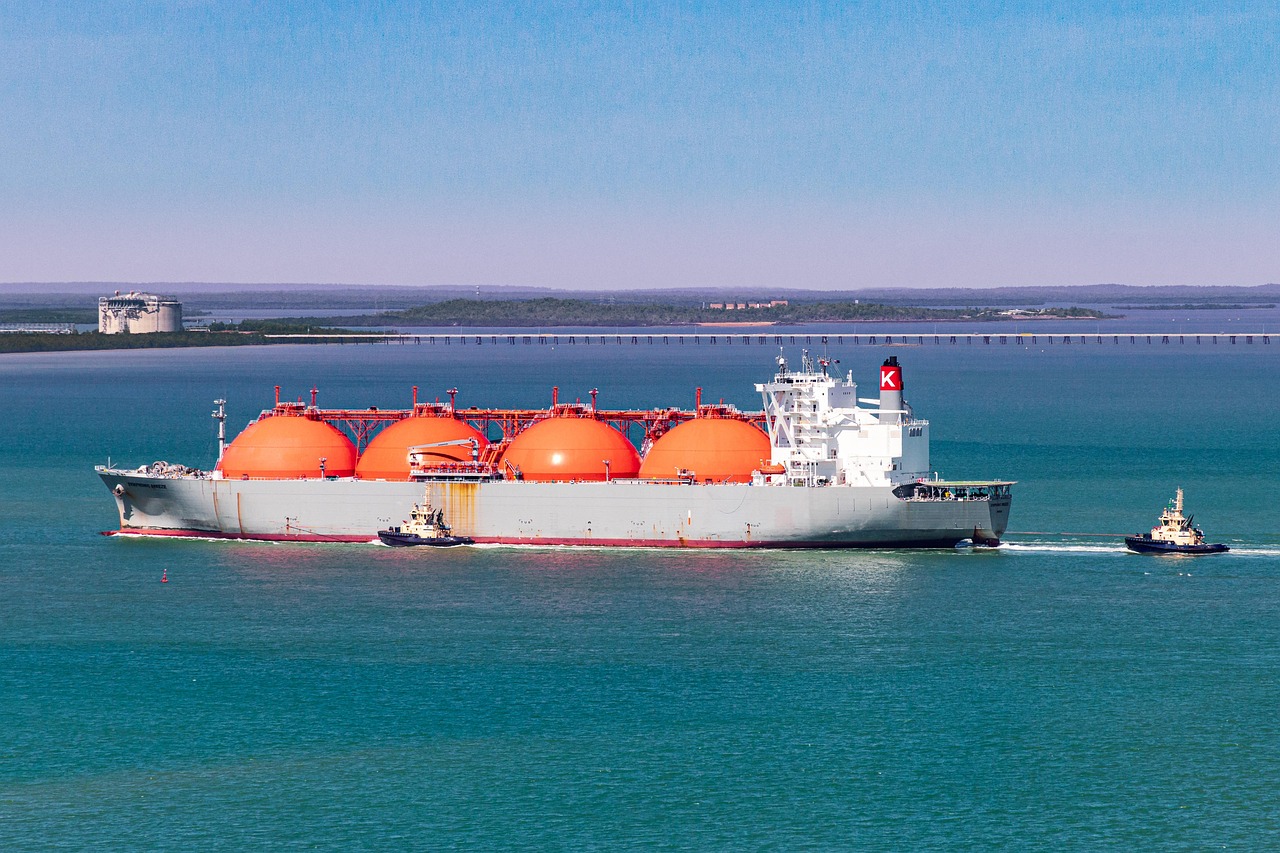
Belgian LNG terminal operator Fluxys has announced the offering of new regasification and truck loading capacities at its primary LNG import facility located in the port of Zeebrugge. The commercial offering provides market participants with additional flexibility to secure entry capacity into Northwestern Europe's gas grid and downstream transport networks.
According to report details published by LNG Prime, the operator is making available both regasification slots for seaborne LNG deliveries and dedicated slots for LNG truck loading operations. The Zeebrugge facility remains a key hub for European gas infrastructure, facilitating both large-scale vessel discharge and small-scale distribution services.
Strategic European Infrastructure Hub
The Zeebrugge terminal plays a pivotal role in balancing regional energy supplies across Europe. Through its extensive infrastructure, the terminal manages a wide array of commercial services including vessel berthing, storage, regasification, and downstream logistics. Fluxys has regularly adapted its capacity allocations to meet market demand for both pipeline sendout and small-scale distribution.
In recent months, the Belgian terminal has been active in handling diverse global LNG flows. Shipping data highlighted that the facility was scheduled to receive cargoes from the Golden Pass LNG export project in Texas, co-owned by QatarEnergy and ExxonMobil. This follows the arrival of the initial Golden Pass LNG cargo at Zeebrugge earlier in May 2026, underlining the site's ongoing integration with North American supply chains.
Flexible Logistics and Downstream Services
Beyond primary regasification for grid injection, the provision of truck loading slots reflects sustained demand for off-grid LNG distribution. LNG trucking services support industrial users, heavy-duty transport networks, and localized bunkering operations across continental Europe. Providing structured slot allocations enables operators and traders to optimize their logistics planning.
The commercial release of these capacities comes as the broader European energy sector continues to monitor regional import dynamics and bunkering demand. Fluxys' continuous operational adjustments at Zeebrugge ensure that both marine carrier unloading operations and land-based small-scale logistics retain flexible access to essential European import infrastructure.
Implications for LNG Fleet Operations
For LNG carrier operators, regular slot offerings at major terminals such as Zeebrugge ensure transparent operational scheduling and berth availability in Northern Europe. Efficient turnaround times and predictable slot allocations are essential for managing modern carrier fleets and maintaining continuous supply lines between global liquefaction projects and European end-users. As terminal operators streamline access to both large-scale and small-scale services, shipowners can better align transport schedules with downstream market requirements.
Drafted with AI assistance and reviewed by the Maritime LNG Editorial Desk
Related articles
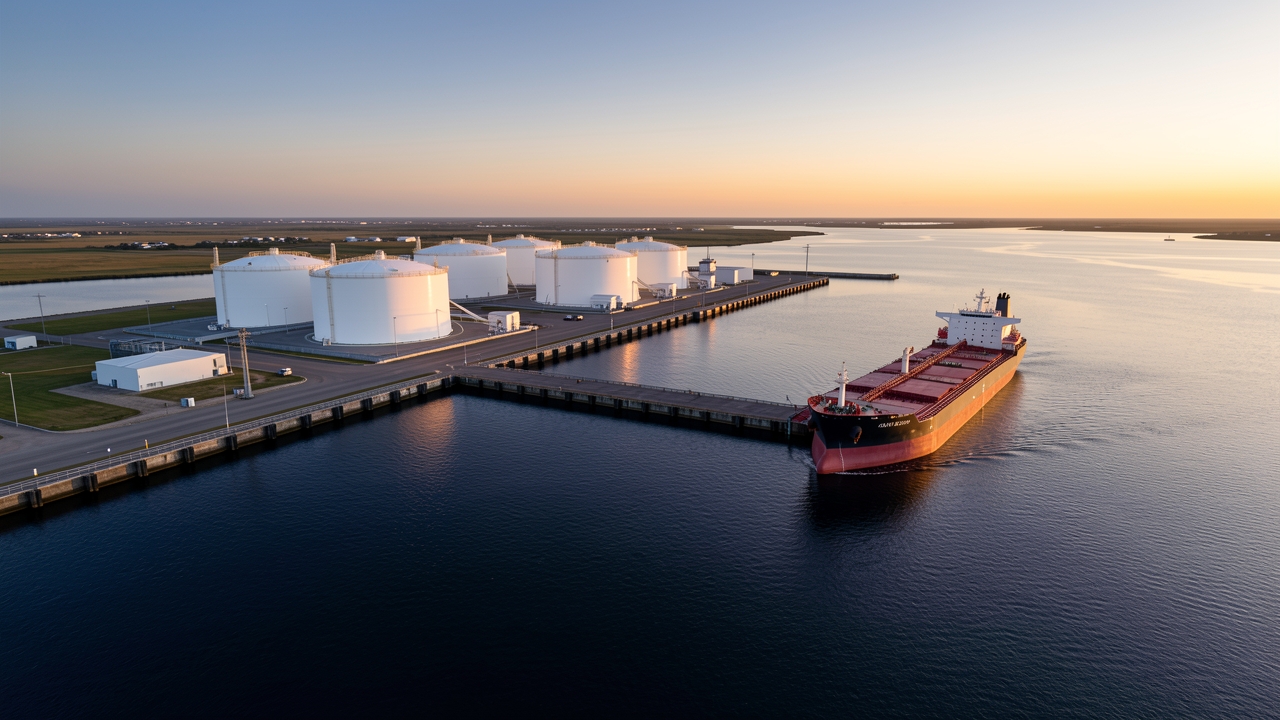
Germany Completes Federal Floating LNG Terminal Program with Stade Commissioning
Deutsche Energy Terminal commissions its fourth floating LNG terminal in Stade using the FSRU Energos Force, completing Germany's federal energy security program.
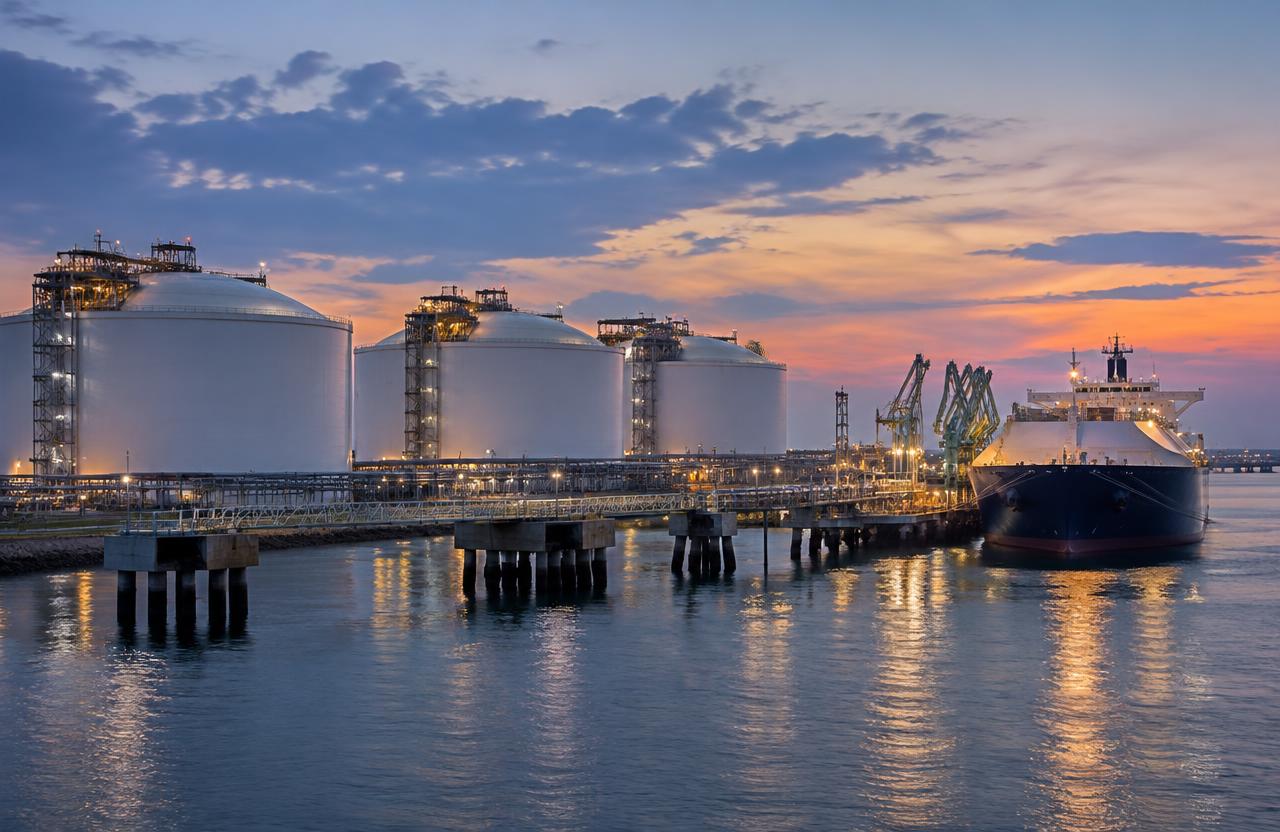
LNG Terminals Explained: Liquefaction, Storage and Regasification
A technical guide to LNG export and import terminals: gas pre-treatment, liquefaction processes, full-containment storage, marine facilities, vaporiser technologies and FSRUs.